Google Assistant in Germany: What Changed and How We Adapted
Quick Take
Google Assistant still works in Germany — but it no longer feels invisible. After recent updates and region-specific limitations, voice control for Google Home turned into an inconvenience instead of seamless.
The Moment Voice Control Stopped Being Effortless
We didn’t notice the change right away.
After finally settling into our apartment in Stuttgart, we did what we always do: installed the smart bulbs, connected the plugs, and rebuilt our routines until the place felt like home again. Google Assistant had been our voice-operated control centre for years, so setting it up felt automatic.
In our home, voice control wasn’t a novelty.
It was infrastructure.
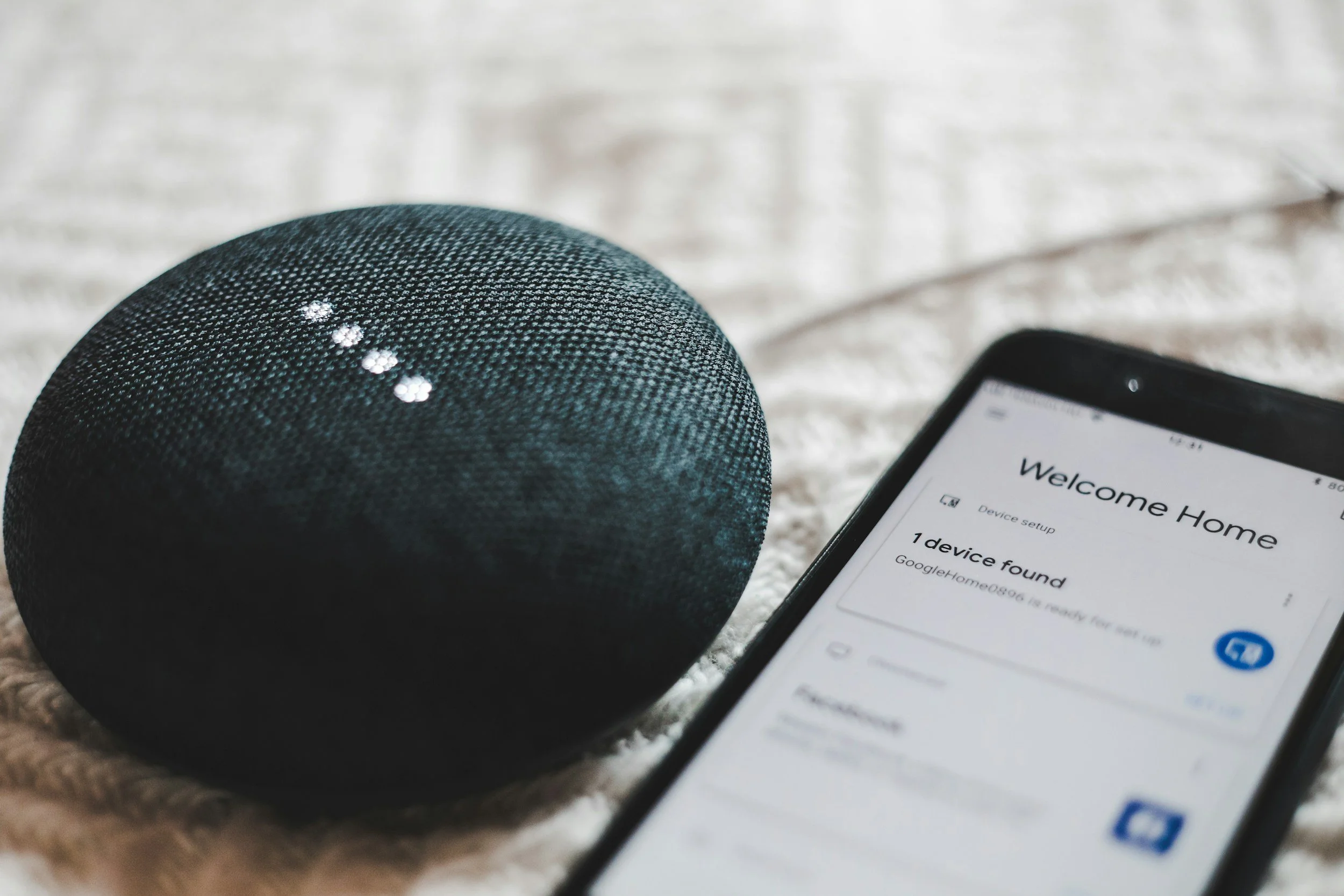
A Nest Mini in the bedroom handled lights and morning routines. A Nest Hub in the kitchen managed timers, music, and quick questions while cooking. Together, they covered both ends of the apartment without adding visual clutter or extra switches.
And for a while, everything worked.
The Kitchen Is Where It Broke
Nothing dramatic happened.
No outage. No warning.
Just dinner.
We rely heavily on kitchen timers — bread, eggs, tea, coffee, pasta, vegetables. Voice control makes sense here because our hands are usually dirty, wet, or busy. We even enjoyed the small Easter eggs Google added. Say “egg timer,” and you’d get a cheerful animation and a chicken sound.
Before the 4.0 update, one-shot commands worked flawlessly.
“Hey Google, set a six-minute timer for eggs.”
Done.
After the update, that same sentence started getting cut off halfway through. The assistant would stop listening after “set a six-minute timer…” — before we could even say what the timer was for.
Suddenly, the simplest task required repetition.
Or correction.
That was the shift.
Voice control stopped feeling helpful and started feeling disruptive.
What Changed After the Update
Nothing about our setup changed.
The devices stayed in the same places. The acoustics were the same. Our habits didn’t change. But the behaviour did — and almost immediately after the 4.0 update.
Accuracy dropped. Latency increased. Sometimes we’d hear, “Another device responded,” even though no other device actually acted on the command.
The kitchen Nest Hub became noticeably slower.
Not unusable — just unreliable.
And unreliability matters more at home than anywhere else.
The Germany Reality Check
The bigger realization came later.
On a recent trip back to Canada, I noticed that Gemini for Home was available on my phone. Same account. Same home setup. No special configuration.
Back in Germany, that option disappeared.
Instead, I was greeted with a message saying the feature “isn’t available in your home yet” — even though the home itself clearly supported it. The only difference was location.
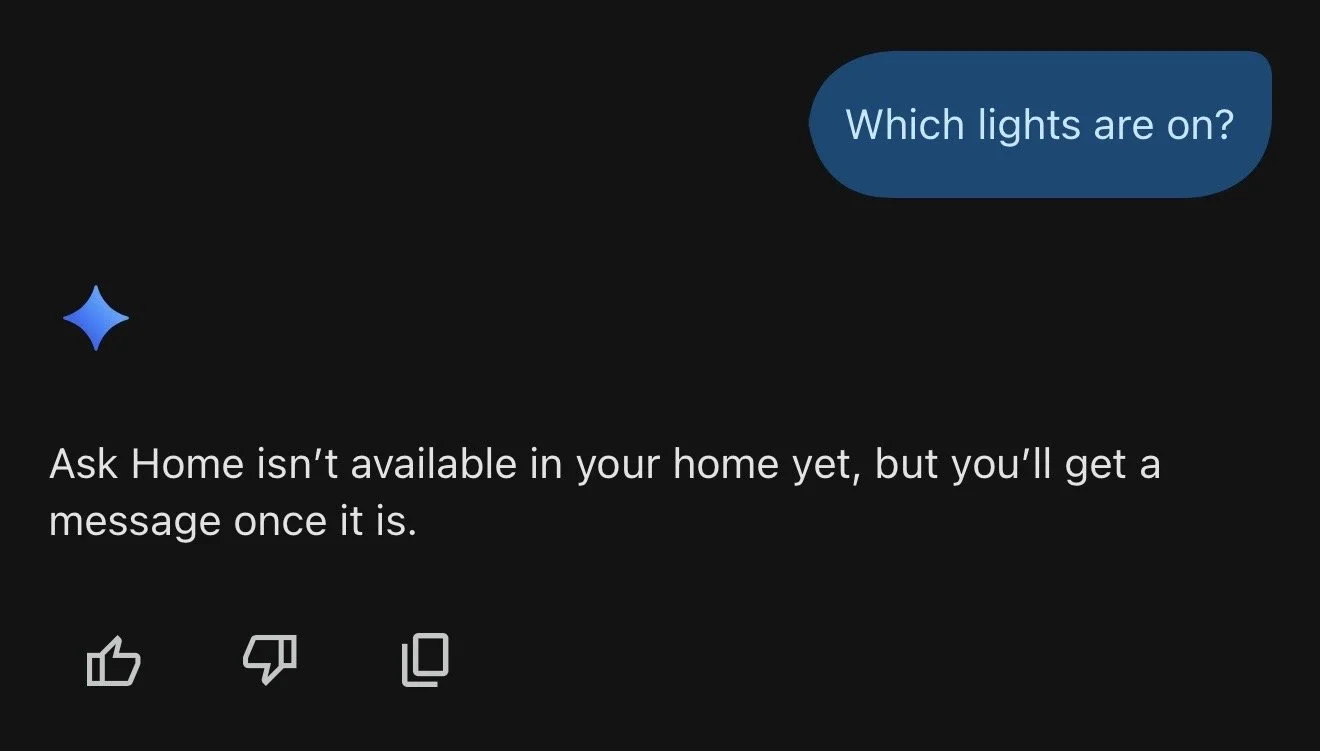
Screenshot of Gemini for Home in Germany
That’s when it clicked: some of what we were experiencing wasn’t a bug.
It was regional.
Feature rollouts, assistant behaviour, and future upgrades don’t arrive at the same pace everywhere. Living in Germany means accepting that the experience will be different from the U.S. or Canada.
Not broken.
Just behind.
What Still Works (and What Doesn’t)
To be fair, plenty still works.
Basic light controls are reliable. Single timers usually behave. Music playback is fine. Morning routines mostly do what they’re supposed to do.
But anything complex — multi-step commands, playful features, or time-sensitive flows — feels less trustworthy than it used to.
The magic is thinner.
How We Adapted Our Home
Instead of fighting it, we adjusted.
We stopped asking Google Assistant to do anything critical or complicated. Voice control is now a convenience layer, not something we build systems around. Timers still work, but we accept the boring version when that’s what shows up.
We also made sure the home still works without voice. Physical switches matter again. Smart plugs have manual fallbacks. Nothing breaks if the assistant misunderstands us.
That change alone reduced a lot of friction.
The Trade-Off We Accepted
It still bothers us that the old one-shot commands don’t work the way they used to. And yes, we miss the Easter eggs.
Breaking commands into pieces —
“Set an egg timer.”
Google: “For how long?”
“Six minutes.”
— works sometimes. Other times, it doesn’t.
We didn’t change the setup.
The system changed around us.
At some point, we stopped trying to win.
Who This Setup Works For (and Who It Doesn’t)
If you use Google Assistant casually — lights, music, the occasional timer — you’ll probably be fine.
But if you build daily routines around voice control, especially in the kitchen, the current experience in Germany may feel disappointing. The more you rely on it, the more noticeable the friction becomes.
Our Final Call
Would we still use Google Assistant in Germany?
Yes.
But we wouldn’t design a home around it the way we once did.
It’s helpful in small, predictable ways. It’s no longer something we fully trust to stay out of the way. For us, calm matters more than cleverness — and that’s changed how much responsibility we give our tech.
Sometimes, the smartest decision is knowing when to rely less.
Read Next (Coming Soon!)
How We Designed Cozy Lighting Without Rewiring Our Apartment
What We Stopped Automating (and Why Our Home Got Better)
Dirty Hands, No Problem: Hands-Free Kitchen Tech That Actually Works