Deutsche Bahn ICE Trains in Germany: What We Wish We Knew (For First-Timers)
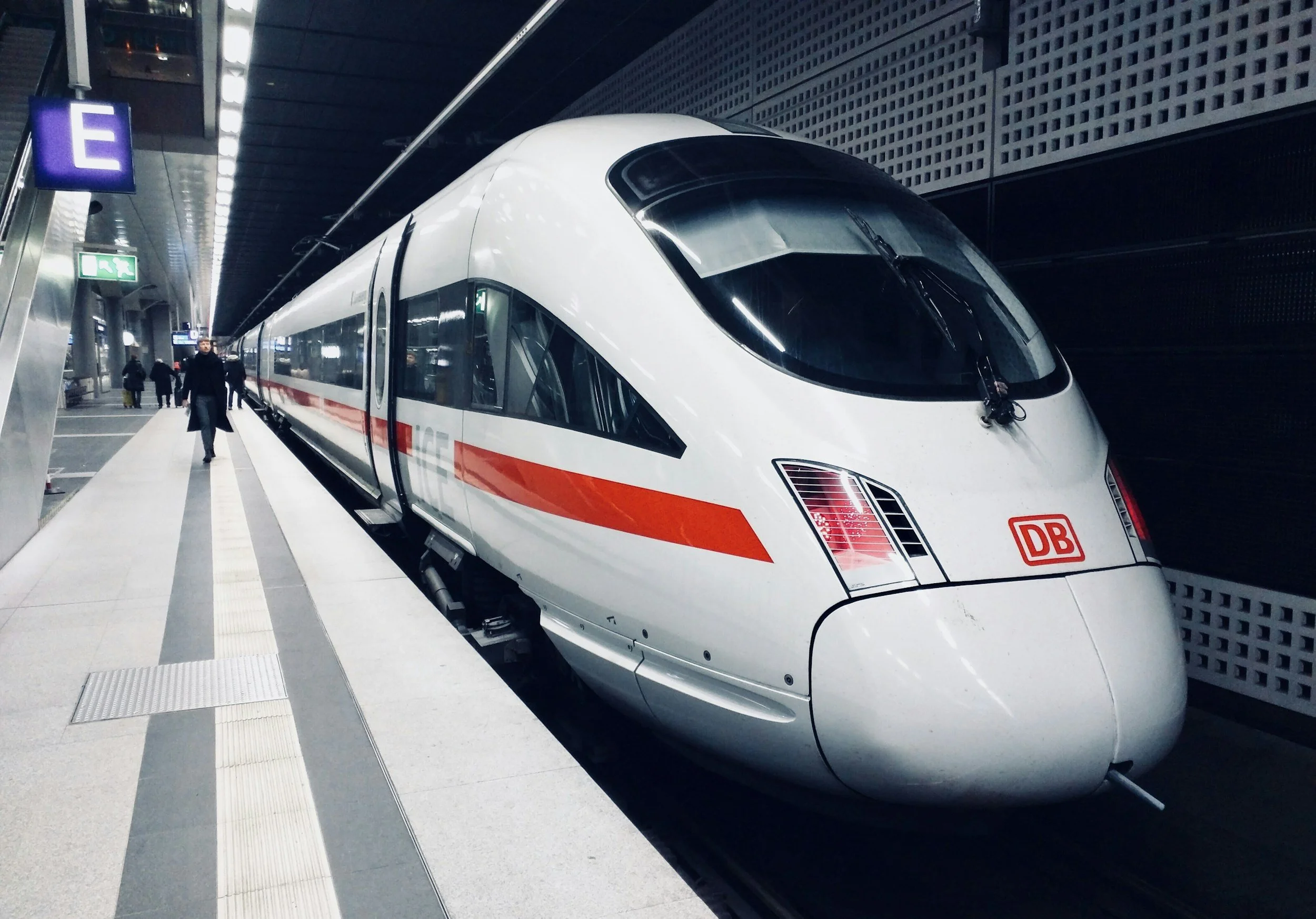
Intercity Express (ICE) train by Deutsche Bahn in Germany.
Quick Take
ICE trains in Germany are fast, comfortable, and incredibly convenient — until something goes wrong.
Our first ICE ride taught us that delays, seat reservations, platform changes, and disruptions work very differently than we expected.
This post breaks down what caught us off guard, what we wish we’d known as first-timers, and how to ride ICE trains with far less stress.
When the “Easy Part” Wasn’t Easy at All
We thought taking an ICE train would be the easiest part of our move.
After all, Germany is known for its trains. Fast. Efficient. Reliable.
How hard could it be?
This assumption was tested — hard. In February 2024, we landed at Frankfurt Airport for our move and booked an ICE train straight to Stuttgart Hauptbahnhof. Tickets purchased in advance. Seats reserved. Luggage spots selected.
Then we learned it was strike season.
Delays stretched past 120 minutes. Trains were cancelled outright. And suddenly, our carefully planned journey turned into a long queue at a DB customer service desk, asking a simple question:
How do we get to Stuttgart today?
The answer came with a catch. When your original train is cancelled, your seat reservation is no longer valid. Refunds are possible — but they’re a separate, time-consuming process. And the replacement train? Completely packed.
We stood for 2.5 hours. Four suitcases. Two backpacks. No seats.
Welcome to Germany, I guess.
Buying ICE Tickets: What Felt Obvious (But Wasn’t)
At the time, we booked our ICE tickets directly through the Deutsche Bahn website. Today, we almost exclusively use the DB Mobile App — and the difference is night and day.
The app has improved a lot. You get:
A mobile ticket with a QR code
Real-time delay notifications
Platform changes
Comfort Check-In once seated
English language support
Printed tickets still work, but for first-timers, they’re risky. They’re fully in German, easy to lose, and harder to adjust when plans change.
Ticket types matter too:
Super Sparpreis → cheapest, train-specific, no flexibility
Sparpreis / Flexpreis → more flexible, more expensive
We usually book Super Sparpreis and accept the trade-off. Just know this:
If your train is delayed 20 minutes or more, or cancelled, you can take another ICE at no extra cost — but you must navigate that change yourself.
And when a train is cancelled, expect the next one to be packed to the brim. You won’t be automatically rebooked. The app will simply tell you to “find alternative connections.”
Yes. On your own.
Stations, Platforms, and That First Moment of Panic
Most ICE stress doesn’t happen on the train. It happens on the platform.
Departure boards update constantly. Platforms change last-minute. Car numbers matter. Standing in the wrong spot means sprinting with luggage when the train arrives.
On disrupted days, boarding feels rushed. There’s no grace period. Trains stop briefly — sometimes just a couple of minutes — and then they’re gone.
Seat Reservations Aren’t Optional (Even If They Are)
We had reserved seats — on the cancelled train.
On the replacement train, there was nothing left. No open seats. Just standing room between cars. Sitting on the floor when our legs gave out.
ICE trains do have generous luggage space, especially newer ICE 4 trains. But not all European high-speed trains are the same. On France’s TGV, for example, luggage storage is far more limited — and not designed for large North American-style suitcases.
One thing that still irks me? Bags on seats.
On empty trains, fine. On full trains, it discourages people — especially non-German speakers — from asking someone to move their bag. And yes, people will sometimes sit in your reserved seat hoping you won’t show up.
You should ask them to move. It’s normal. It happens every day. If they challenge it, show your seat reservation. Talk to an onboard DB staff, should things escalate.
Life Onboard: Quiet Zones, Wi-Fi, and Unspoken Rules
When everything runs smoothly, ICE is one of my favourite ways to travel.
The ride is comfortable. It’s easy to read, work, or just zone out. There are clear zones onboard:
Ruhebereich (Quiet Zone) — typically the last two cars; phone calls and loud conversations are frowned upon (technically, not allowed)
Regular cars — talking, laughing, and games are fine
Family area — designed for travellers with children
Bordrestaurant — hot meals, snacks, coffee, and beer
First Class — beyond the restaurant
Wi-Fi has been surprisingly decent on many routes, especially between Stuttgart and Ulm. More remote stretches can be spotty.
Announcements, however, can be tricky. Routine updates are often repeated in English. Disruptions? Usually German only. If you’re unsure what’s happening, find a DB attendant — they’ll almost always explain in English if you ask in-person.
High-Speed Doesn’t Mean Problem-Free
This was our biggest misconception.
Delays happen. Transfers get tight. Medical emergencies and signaling issues can add hours to your journey. And while help exists, you’re expected to be proactive.
High-speed just means fast when everything works.
What We Wish We Knew Before Our First Ride
Trains can be cancelled with little notice
You’re responsible for navigating disruptions
High-speed trains can be overbooked — reserve a seat
February is prime strike season in Germany
DB won’t automatically rebook you after a cancellation
You can take another train if your original is delayed 20+ minutes or cancelled
Practical Tips for First-Timers
If your train shows as delayed, still arrive at the original departure time — delays can disappear
Be at the station 10–15 minutes early
At starting stations, board early and settle in
Always reserve a seat if you’re unfamiliar with the system
Watch car numbers on the platform signs, or view the “coach sequence” in the DB Mobile App
Who ICE Trains Are (and Aren’t) For
ICE trains are fantastic for travellers who value comfort, city-centre travel, and efficiency.
They can be stressful if you’re on a tight schedule, managing lots of luggage, or unfamiliar with how disruptions work.
We still choose ICE — often.
We just plan smarter now. Seats reserved. No more connections less than 30 minutes. Direct as much as possible.
After the Learning Curve
It’s still a love-hate relationship with Deutsche Bahn.
But after a few years, ICE travel becomes routine. I show up early. I reserve seats for our personal journeys. I watch the app closely. And I know that the departure time on your ticket means the exact moment the train leaves — not when boarding begins.
For first-timers, just know this: ICE trains stop briefly. Sometimes only 1–3 minutes. Be ready. Be early. And once you’re onboard, complete your comfort check-in, connect to the Wi-Fi, sit back & relax.