The Deutschland-Ticket Explained: Is It for You?
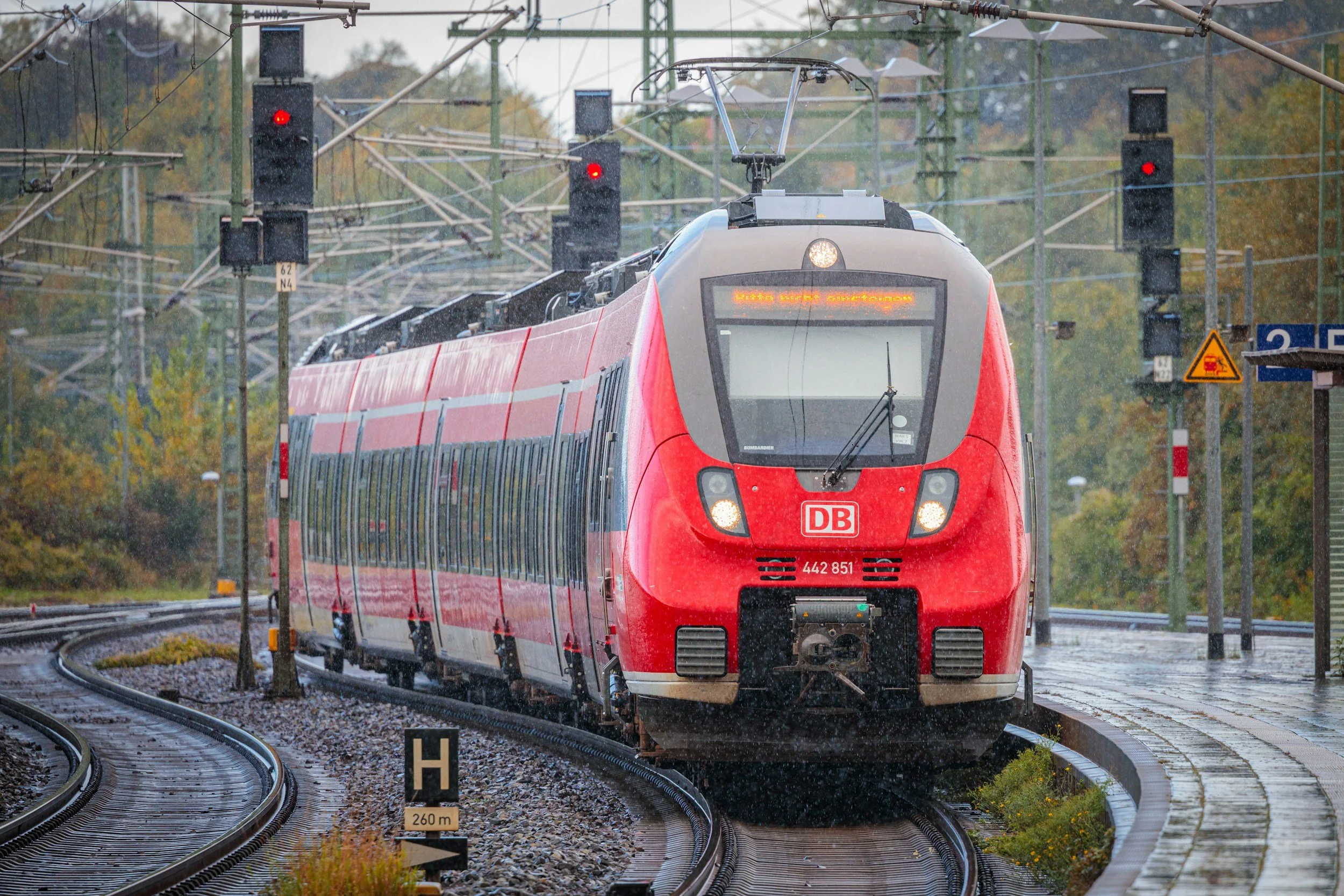
Regional Express (RE) train by Deutsche Bahn in Germany (D-Ticket friendly)
Our Quick Take
The Deutschland-Ticket is available to anyone, including visiting North Americans.
But it’s designed for local and regional travel, not long-distance trips.
It does not work on ICE, IC, or EC trains, functions as a monthly subscription, and auto-renews unless cancelled on time.
It’s a great deal for longer stays, daily commuting, or slow regional travel — but a risky choice for short visits, airport connections, or tight schedules.
When “Just Get the Deutschland-Ticket” Isn’t the Full Story
The Deutschland-Ticket — often called the D-Ticket — was everywhere the moment we arrived in Germany.
Friends, colleagues, locals.
Everyone said the same thing: just get it.
At first glance, it sounded perfect. One low monthly price. Unlimited rides.
But there was a catch.
While the ticket offers unlimited travel, it doesn’t cover long-distance trains. That difference matters more than most people expect.
Before buying — or rather, subscribing — I asked a lot of questions. I’m glad I did.
During my regular ICE commute between home and work, I’ve seen travellers asked to leave the train at the next stop. Not because they did anything wrong — but because the Deutschland-Ticket simply isn’t valid on ICE trains.
What the Deutschland-Ticket Actually Is (In Plain English
In one sentence:
The Deutschland-Ticket is a monthly flat-rate ticket for everyday local and regional travel in Germany.
It’s designed for:
Daily commuting
Moving around cities
Flexible regional travel where time isn’t critical
Think of it as a public transport pass for daily life, not a long-distance travel ticket.
If you’re visiting Germany for 1–2 weeks, you can buy it for one month — just cancel it immediately so it doesn’t auto-renew.
One nuance worth knowing: regional trains can take you between cities — they’re simply slower and require more buffer time.
What the Deutschland-Ticket Does Not Cover (And Why That Matters)
This is where most first-timers run into trouble.
The Deutschland-Ticket is not valid on long-distance trains, including:
ICE
IC
EC
This matters because many routes look similar in apps and on station boards. If you board the wrong train, the ticket isn’t partially valid — it’s invalid.
The most common mistake is assuming “unlimited” means any train going in that direction. It doesn’t.
When tickets are checked, you’ll either need to buy a new long-distance ticket on the spot or leave the train at the next station.
When the Deutschland-Ticket Is a Fantastic Deal
Used correctly, the Deutschland-Ticket is a strong value.
It works well if:
You’re backpacking with a flexible schedule
You commute daily within a city or metro area
You’re traveling regionally and prioritizing cost over speed
If time isn’t critical, the ticket can stretch your budget surprisingly far.
When the Deutschland-Ticket Is a Bad Idea
If timing matters, this is where the Deutschland-Ticket can hurt you.
It’s a poor choice for:
Long-distance trips with short connections
Airport transfers
First days in Germany
Regional trains are more prone to delays, and missed connections can stack quickly — especially when flights or check-ins are involved.
Deutschland-Ticket vs ICE Tickets: How We Use Them Together
We don’t treat this as an either-or decision.
For us, the Deutschland-Ticket is about daily life.
ICE tickets are about getting somewhere efficiently.
Within cities or on slow, flexible trips, the Deutschland-Ticket removes friction. When timing matters — commuting, luggage, flights — we default to ICE.
Once we stopped forcing one ticket to do everything, travel became much less stressful.
Buying (and Cancelling) the Deutschland-Ticket
This part catches many visitors off guard.
The Deutschland-Ticket is a monthly subscription, not a one-time purchase.
In practice:
It starts on the first day of the month
It auto-renews by default
You must cancel it before a fixed monthly deadline
That deadline depends on where you buy it.
If you only need it for one month, cancel it immediately after purchasing.
The ticket is digital, so you’ll need your phone, the app, and enough battery to show it when asked.
What We Wish We Knew Before Relying on It
A few things would’ve saved us time early on:
It’s a subscription, not a tourist pass
Regional trains are slower and often crowded
Airport connections are less forgiving
Buffer time matters more than cost
It’s easy to overestimate coverage
None are deal-breakers — but they matter.
Practical Advice for First-Timers
This is how we think about it now:
Use it when flexibility matters more than speed
Avoid it for airport runs and first-day logistics
Always check whether your train is RE vs ICE
Cancel early if you’re staying short-term
Pair it with ICE tickets instead of replacing them
The goal isn’t to save the most money.
It’s to avoid unnecessary stress.
Who the Deutschland-Ticket Is (and Isn’t) For
Great fit if you:
Are staying in Germany for several weeks or longer
Commute daily within a city
Travel slowly and flexibly
Risky if you:
Are visiting briefly
Have tight schedules
Need fast airport connections
Not ideal if you:
Need long-distance speed
Are traveling with heavy luggage under time pressure
Final Thoughts
The Deutschland-Ticket isn’t bad. It’s just (often) misunderstood for visitors.
Used for everyday movement and regional travel, it’s one of the best transport deals Germany offers.
Not a shortcut — just the right ticket for the right kind of flexible trip.